
Knowledge HUB
Beacuse we belive that sharing the knowledge is the best way to innovate
Introduction to product roadmaps
In this article, I would like to give you a short introduction to the roadmaps – one of the basic product management tools. How to build and use them? Let’s review
What is Roadmap
It is a visual representation of your product vision, goals and high-level timelines. It can look like a project plan where bars represent features that are placed on the timeline. However, you can use other ways, e.g. a table view – as long as it can explain your priorities well.
.
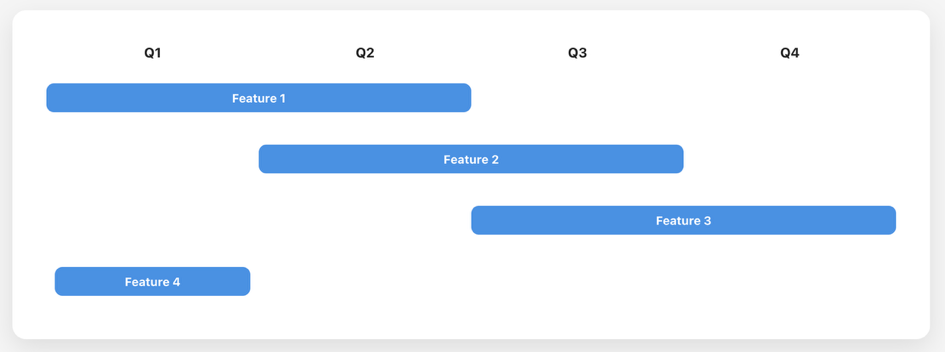
Figure 1 – basic structure of the roadmap
What are roadmaps important?
Roadmaps are a powerful communication tool that allow you to share a vision with different stakeholders: owners and executives, clients, partners, and your engineering team!
It is also a great way to organise your priorities and uncover dependencies. When I was starting out I was very focused on keeping the roadmaps updated. Later I realised that the most important effect of the roadmap update was that everyone was getting on the same page and it didn’t have to happen every week or month.
Roadmap is not a project plan
Some product managers are afraid to update the roadmap as what is communicated as vision very quickly can become an expectation and treated as a project plan. CFO or another executive can hold a PM accountable for not delivering the features that have not been committed.
Therefore, it is important to agree on the process with all stakeholders – how much ahead do you want to plan (e.g. one version) and what the sign-off process of the PRD is.
Types of roadmaps
I have already mentioned the feature roadmap of a product, but this is not the only type. You can create a technology roadmap (focused on R&D and platforms) or even a marketing one. You can also combine them or create hierarchies.
There is also my favourite – the outcome-driven roadmap where all features and projects are grouped with a specific business goal.
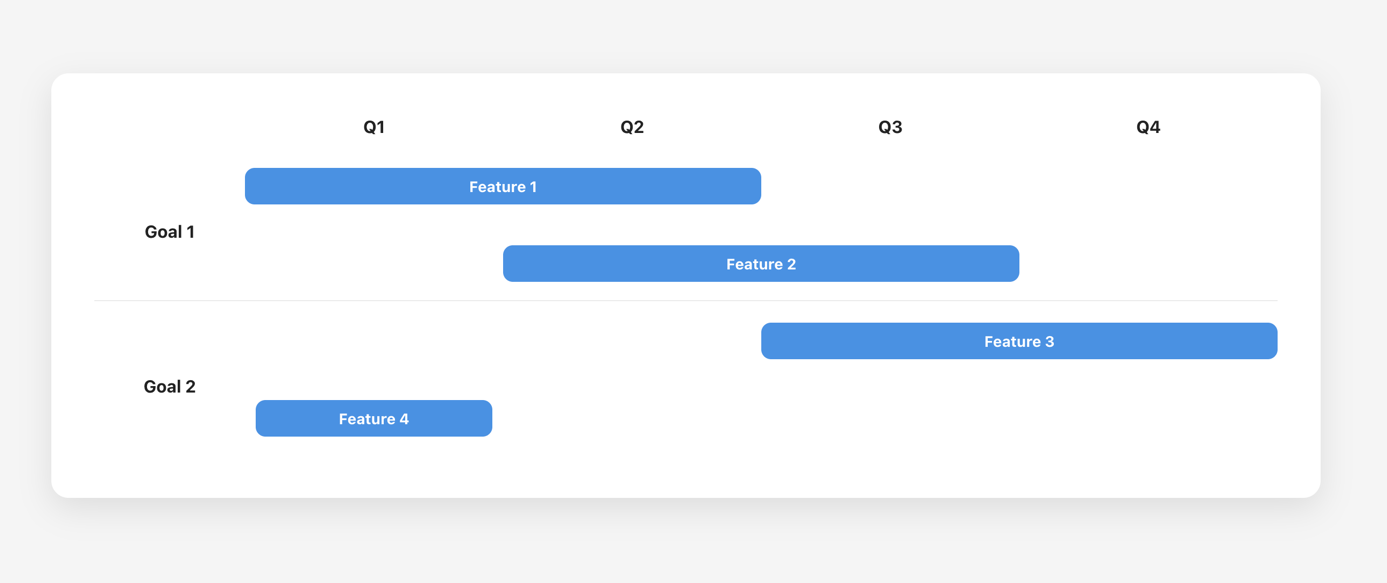
Figure 2 – outcome driven roadmaps (features grouped with business goals)
The goals are derived from your current business strategy e.g. reducing churn, entering a new market, improving UX, and achieving a certain level of profitability. This way your roadmap can be a great way to align the product team with the strategy.
Roadmaps can also be internal and external – for your supplier, partners or customers. Be careful though, as the roadmap committed to the customer can be a double-edge sword – can generate engagement but also a source of disappointment when you cannot deliver to the promise
Roadmapping tools
Startups and small teams can use simple tools like PowerPoint or the free version of Miro. If you want to be more sophisticated you can use Jira add-ons.
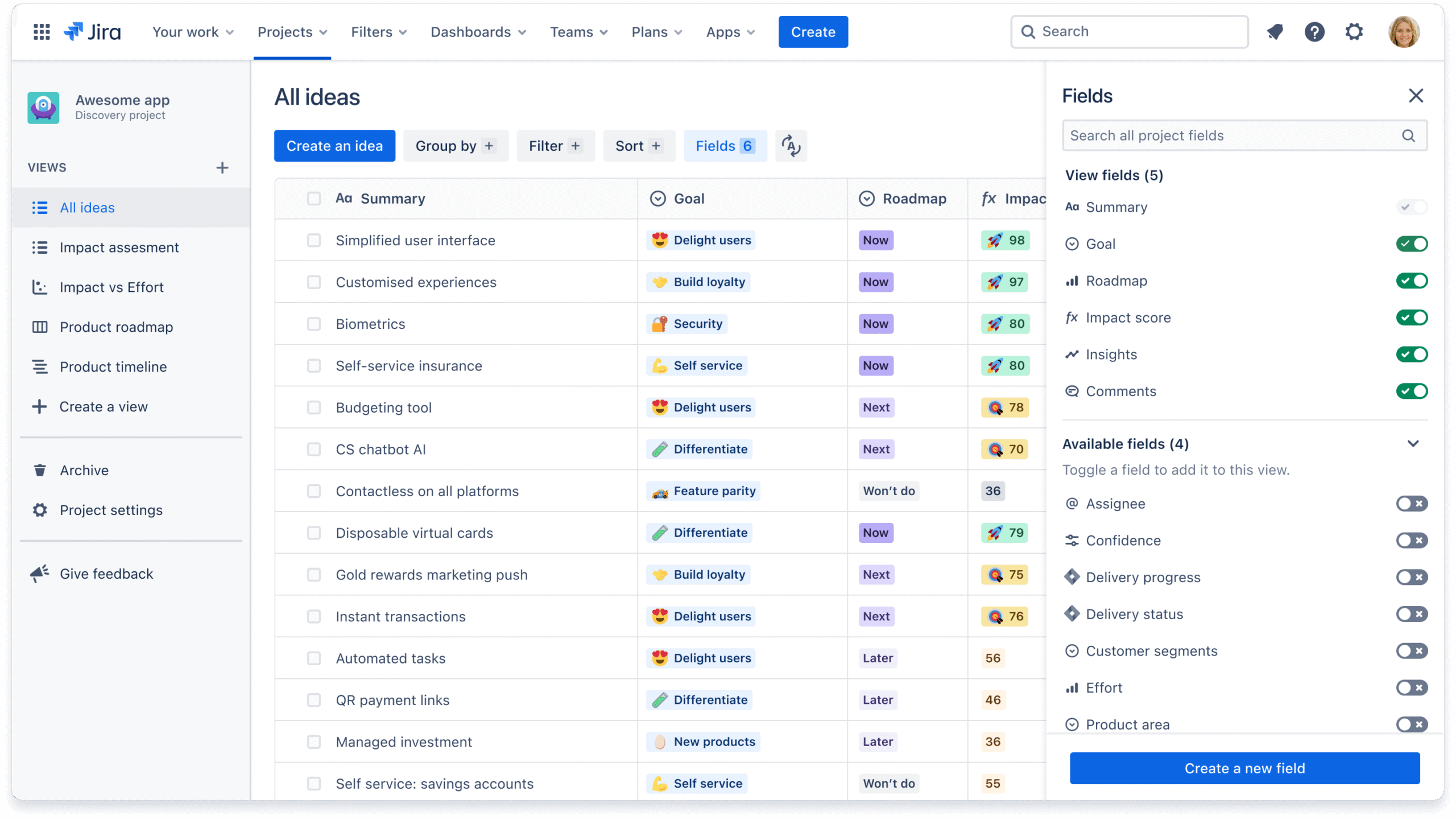
Figure 3 – Jira Product Discovery (source: Atlassian)
Finally, you can deploy Jira Product Discovery, Productboard or A-ha Software – the tools that allow you not only to organise early-stage ideas but also help with building a disciplined Product discovery process.
You can watch the episode with the former Director of Product at Beatport about how they implemented Product Discovery)
Thank you for reading!
Related articles

Audio Pricing Models – Part 2
Knowledge HUBBeacuse we belive that sharing the knowledge is the best way to innovateIf revenue, sales, and other quantitative indicators were the only things justifiable when constructing pricing, income wouldn’t be an issue. Specifically, considerations regarding...
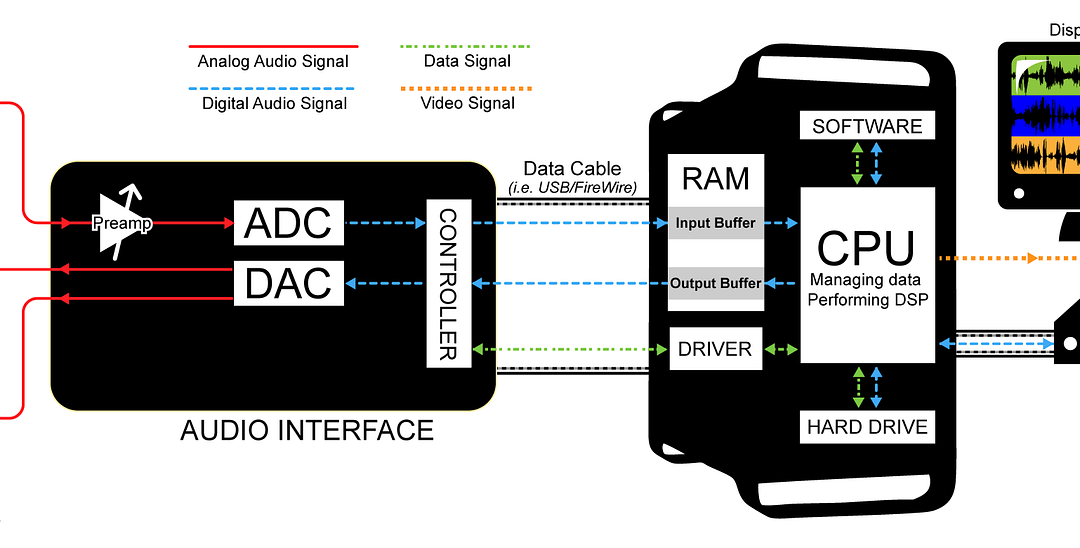
Digital Audio: Digitization
Knowledge HUBBeacuse we belive that sharing the knowledge is the best way to innovateAfter reviewing the audio history and how sound is created, let’s start diving into digital system processing by first of all understanding how analog audio becomes digital from an...

Audio Pricing Models – Part 1
Knowledge HUBBeacuse we belive that sharing the knowledge is the best way to innovateRegardless of the product and its features being offered, product teams have a lot to consider when choosing a pricing model. I believe the primary consideration that any product...

Sound from the beginning
Knowledge HUBBeacuse we belive that sharing the knowledge is the best way to innovateIf you new to physics of sound, it will help you to understand the basic concepts.Physics of SoundLet’s start from the beginning. What is the sound? What do you remember from the...
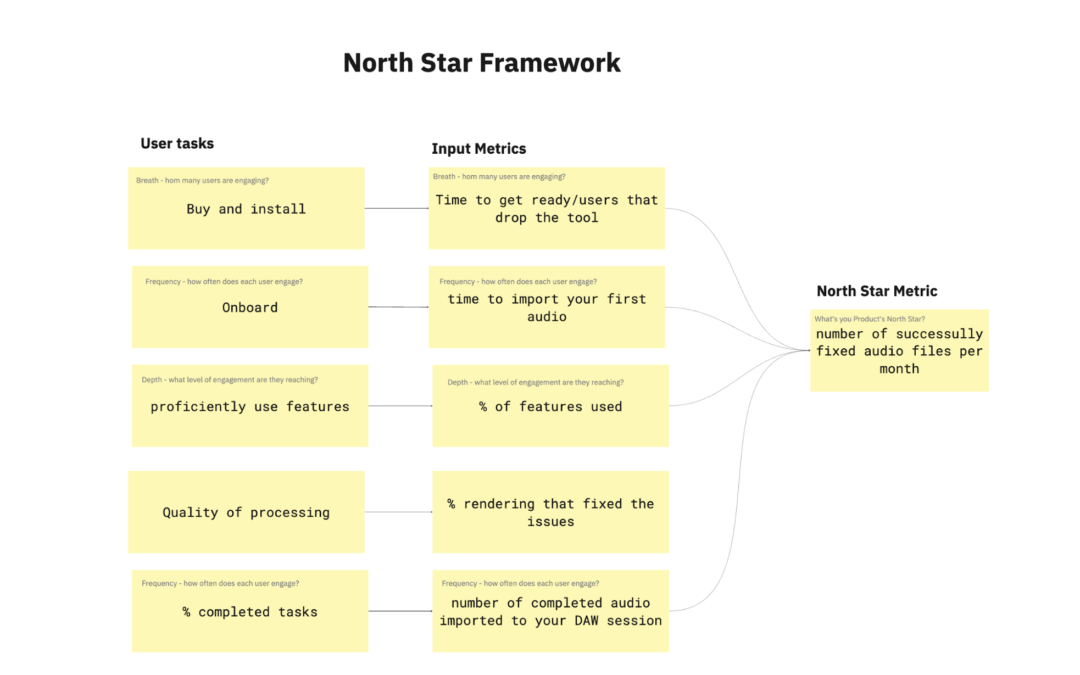
North Star Metric – how to align your product teams
Knowledge HUBBeacuse we belive that sharing the knowledge is the best way to innovateIn this article I explain what the North Star metric is and how to create one for your audio product so it can help align teams around the customer value and business growth. Why...
Would like to receive our product newsletter?
