
Knowledge HUB
Beacuse we belive that sharing the knowledge is the best way to innovate
The history of digital audio
Are you new to audio product development, need some more technical knowledge or are you just curious what technologies shaped the modern audio landscape? In this article, we dive into the history of digital audio, its key technologies and products.
About the author

Photo by Maria Engler
Michael Wasserman has studied and researched digital communication systems, creative evolution of sound and broadcasting for a long time.
He holds a BSc in Communication Engineering from Tel Aviv University and HIT, Product Management diploma from Technion bolstered by Sound Engineering studies in Yoav Gera Sound School, over 25 years of engineering experience at global tech leaders like Microsoft, Dell, Motorola, and Harmonic. This journey peaked at Waves, where he served as Product Manager and System Engineer for their latest hardware line, driving the development and integration of products like the eMotion LV1 Classic fully functional mixer, IONIC I/O boxes, Soundgrid Hosts & Servers, ASIC, wireless modem, headphones and other innovations, while establishing the integration lab and manufacturing.
Parallel to this technical rigor, his passion burns in the music and headbanging community: as an active musician, music producer, curator, manager (guitar in Antiochus, bass and manager in Deface, manager in Infulator bands), the founder of the Tel-Aviv Alternative Festival and Metal Overload concerts line, and a co-founder of the Tel Aviv Alternative, Headbanging Israel and Black Thursday communities. Active supporter of the local bands scene.
Developed and lectured “Digital Sound” course at Sound School Tel Aviv for the future sound engineers, that partially will be discovered here.
He approaches the history of digital audio not just as an engineer, but as a practitioner who understands exactly what a robust, low-latency system—like Dante—means when the curtain goes up.
Introduction
Let’s start to dig!!! Digital audio has seamlessly woven itself into the fabric of modern life, fundamentally changing how people create, consume, and interact with sound across a multitude of settings. Its ascendancy is driven by technological innovations that deliver clear advantages over analog systems: precise reproduction, versatility, durability, and global accessibility. Today, digital audio underpins essential experiences in music production, broadcast media, gaming, 3D spatial audio environments, mobile devices, streaming, online content, IoT devices, healthcare applications, and beyond.
The importance of digital audio is underscored by its vast adoption—over 70% of the population in many developed countries engages with digital audio monthly, listening to streaming music, podcasts, or online radio. This widespread presence demonstrates how digital audio’s flexibility, convenience, and fidelity have made it indispensable in both everyday entertainment and critical roles such as medical diagnostics and assistive hearing technologies. Its transformative power continues to grow as increasingly advanced devices, formats, and interactive technologies redefine how sound is experienced in the modern world.
Why digital audio
Here are the key reasons why digital audio become necessary in our life:
High Fidelity and Accuracy
Digital audio can reproduce sound with greater accuracy and fidelity compared to analog systems. It is less susceptible to noise, distortion, and degradation over time, ensuring consistent quality.
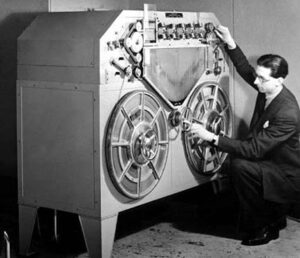
Marconi-Stille magnetic recorder using a steel tape presented in 1935
Convenience and Portability
Digital audio is highly portable and can be stored, copied, and transmitted without any loss of quality. It can be compressed into formats like MP3 or FLAC for efficient storage and streaming, making it ideal for modern devices and applications.
Flexibility in Editing and Processing
Digital audio allows for non-destructive editing, enabling users to make changes without altering the original file. Advanced software tools provide a wide range of effects, processing options, and automation capabilities that are impossible or cumbersome with analog systems.
Integration with Modern Technology
Digital audio integrates seamlessly into multimedia platforms such as websites, video games, and mobile apps. It supports real-time processing, making it indispensable for live performances, streaming services, and smart devices.
Scalability and Accessibility
Digital audio can be accessed on a variety of devices — smartphones, computers, cars, and smart speakers — allowing users to listen anytime and anywhere. This ubiquity makes it a key component of modern entertainment and communication systems.
Cost-Effectiveness
Digital systems often require less expensive equipment to achieve high-quality results compared to analog setups. They also save time with features like session recall and automation, reducing setup complexity.
Adaptability to Evolving Media Consumption
With the rise of streaming platforms like Spotify and Apple Music, digital audio has transformed how people consume music and podcasts. Its flexibility allows it to adapt to changing audience preferences while offering consistent experiences across devices.
History of digital audio
The history of digital audio is a journey of technological innovation that transformed how sound is recorded, stored, edited, reproduced, and how our everyday life habits changed in addiction to music.
Below is a timeline and key developments that shaped the evolution of digital audio.
Shannon and Nyquist Theories
The theoretical groundwork for digital audio was laid in the early 20th century by Claude Shannon and Harry Nyquist, who developed principles for sampling and information theory.
Multiplexing
Around 1903, engineers like W.M. Miner used sampling techniques for time-division multiplexing in telephone networks, setting the stage for digitization.
Digital Music Synthesis
Early experiments in computer music synthesis and digital reverberation by Schroeder introduced digital methods into audio research
Pulse Code Modulation (PCM)
PCM emerged as the first practical method for digital audio recording, enabling the conversion of analog signals into discrete samples. PCM was invented by British scientist Alec Reeves in 1937.
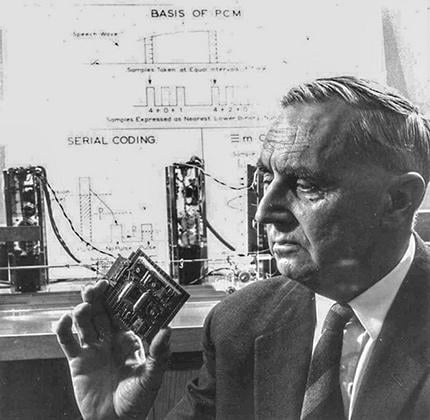
Alec Reeves
Lexicon Delta T-101
Introduced in 1971, had a profound impact on the music industry as the world’s first commercial digital audio processor. It revolutionized audio production by introducing digital delay technology, enabling precise manipulation of sound timing and creating effects previously unattainable with analog systems. This innovation allowed engineers to enhance mixes, add depth to recordings, and experiment with creative soundscapes, such as slapback echoes and doubling effects.
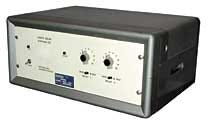
Its adoption in live sound reinforcement and studio environments marked the beginning of digital audio processing, paving the way for more advanced digital effects like reverb, pitch modulation, and looping. The Delta T-101 demonstrated the potential of digital technology in professional audio, influencing subsequent developments in digital processors and shaping modern music production techniques.
The first commercial digital recording
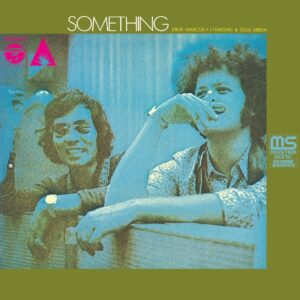
It was “Something” by Steve Marcus, released in January 1971 by Nippon Columbia (Denon). This recording used an experimental PCM system developed by Denon in collaboration with NHK, Japan’s public broadcasting organization. The audio was recorded digitally and stored on video tape, but the final product was released on vinyl LP, as digital playback systems were not yet commercially available.
Commercial digital audio systems
One of the first commercial digital audio systems was Denon DN-023R. It featured 8-channel PCM recording with a resolution of 13 bits and a sampling rate of 47.25 kHz. The system stored audio on a modified Hitachi 4-head open-reel video tape recorder, using low-band black-and-white video mode for improved performance and cost efficiency.
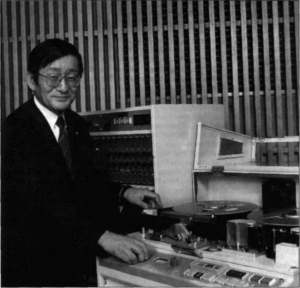
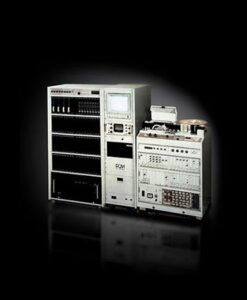
Dr Takeaki and Denon DN-023R digital recorder
Denon deployed the DN-023R immediately for professional recordings, with its first notable use being the recording of Mozart’s String Quartets K.458 and K.421, performed by the Smetana Quartet in Tokyo in April 1972. The LP was released in October 1972, alongside six other digital LPs featuring classical, jazz, and traditional Japanese music. This marked a significant milestone in the commercial adoption of digital audio technology.
The H910 Harmonizer ®
It was the world’s first commercially available digital effects processor introduced in 1974. With its unique combinations of pitch shifting, modulation, and delay, real-time harmonization, flanging, and phasing. The H910 has made its way onto countless ground-breaking work by artists from AC/DC to David Bowie to Frank Zappa.
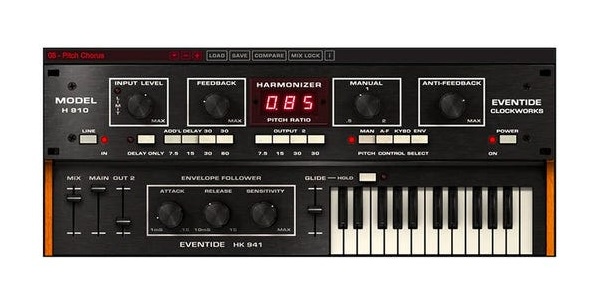
H910 Harmonizer
Designed by Tony Agnello at Eventide, its optional keyboard controller allowed precise pitch control in live settings. The H910’s innovative design and unique sound forever changed music production, influencing both studio recordings and live performances.
Soundstream (1977)
Dr. Tom Stockham developed the first commercial digital audio system in the USA, Soundstream, which was initially used for professional classical music recordings.
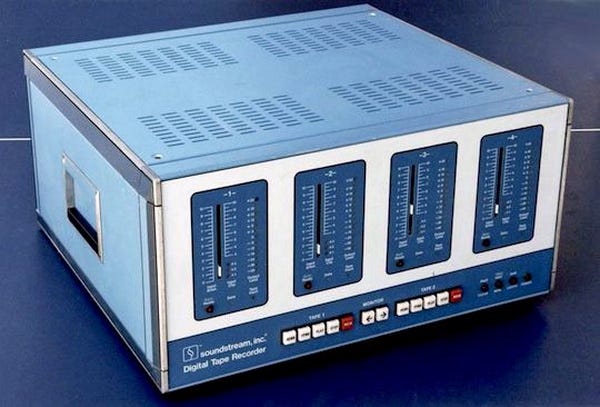
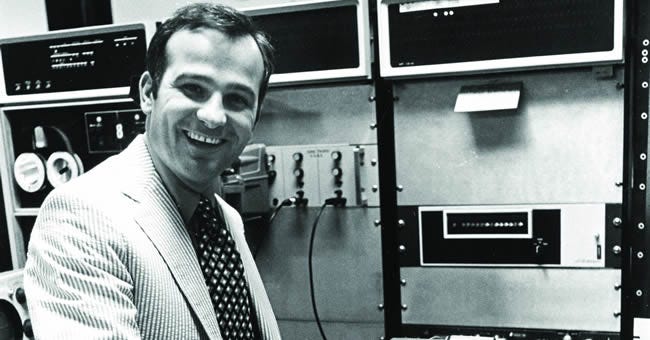
Soundstream System & Dr. Tom Stockham
Soundstream’s innovations laid the groundwork for modern digital audio technologies, including Digital Audio Workstations (DAWs) and high-fidelity recording systems. Dr. Stockham’s contributions earned him recognition as “the father of digital sound,” influencing both professional audio production and consumer playback systems.
SoC
An Audio System-on-Chip (SoC) is a highly integrated single chip solution that encapsulates all the essential hardware and software components for comprehensive audio processing within electronic devices.
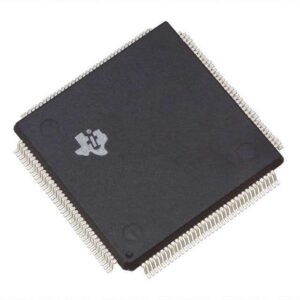
This miniaturized powerhouse typically combines ADCs and DACs for analog-digital conversion, a DSP for intricate audio manipulation, a microcontroller for system management, integrated memory, and various input/output interfaces for seamless connectivity. The high level of integration offered by audio SoCs results in significant advantages like reduced size, lower power consumption, and simplified design, making them a cornerstone in a wide range of audio-centric applications, from portable music players and wireless headphones to smart speakers and automotive sound systems.
While pinpointing the absolute first “audio SoC” is complex due to the gradual integration of components over time, a significant early milestone in the development of integrated audio processing can be attributed to the Texas Instruments TMS5100 in 1978.
This chip, famously used in the Speak & Spell educational toy, was the first single-chip digital signal processor (DSP). While its capabilities were primarily focused on speech synthesis using Linear Predictive Coding (LPC), it represented a crucial step towards integrating audio processing directly onto a single integrated circuit. This pioneering work laid the groundwork for the more comprehensive Audio SoCs we see today that combine ADCs, DACs, DSPs, and other functionalities onto a single die.
Digital Mixing Console
One of the first consoles was the Yamaha DMP7, released in 1986. It was designed primarily as an onstage sub-mixer for synthesizers and tone generators like the Yamaha DX7 but also included microphone inputs, making it suitable for live sound mixing and recording applications. The DMP7 featured groundbreaking technologies for the time, such as motorized faders and scene memory that allowed users to recall mix setups instantly.
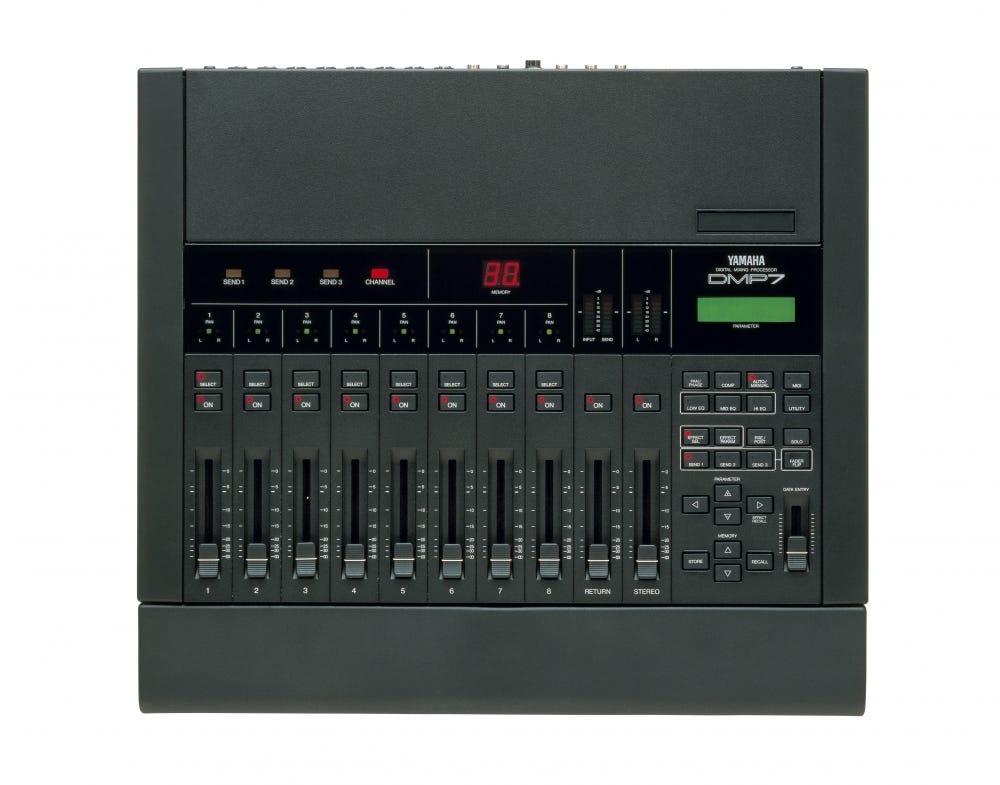
This console marked a significant milestone in the transition from analog to digital mixing systems, paving the way for future innovations in digital audio consoles.
Compact Disc Research
Philips engineers began developing the Compact Disc (CD) format in the late 1970s as a replacement for analog records. Sony and Philips introduced the CD, revolutionizing consumer audio with high fidelity and durability in 1982.
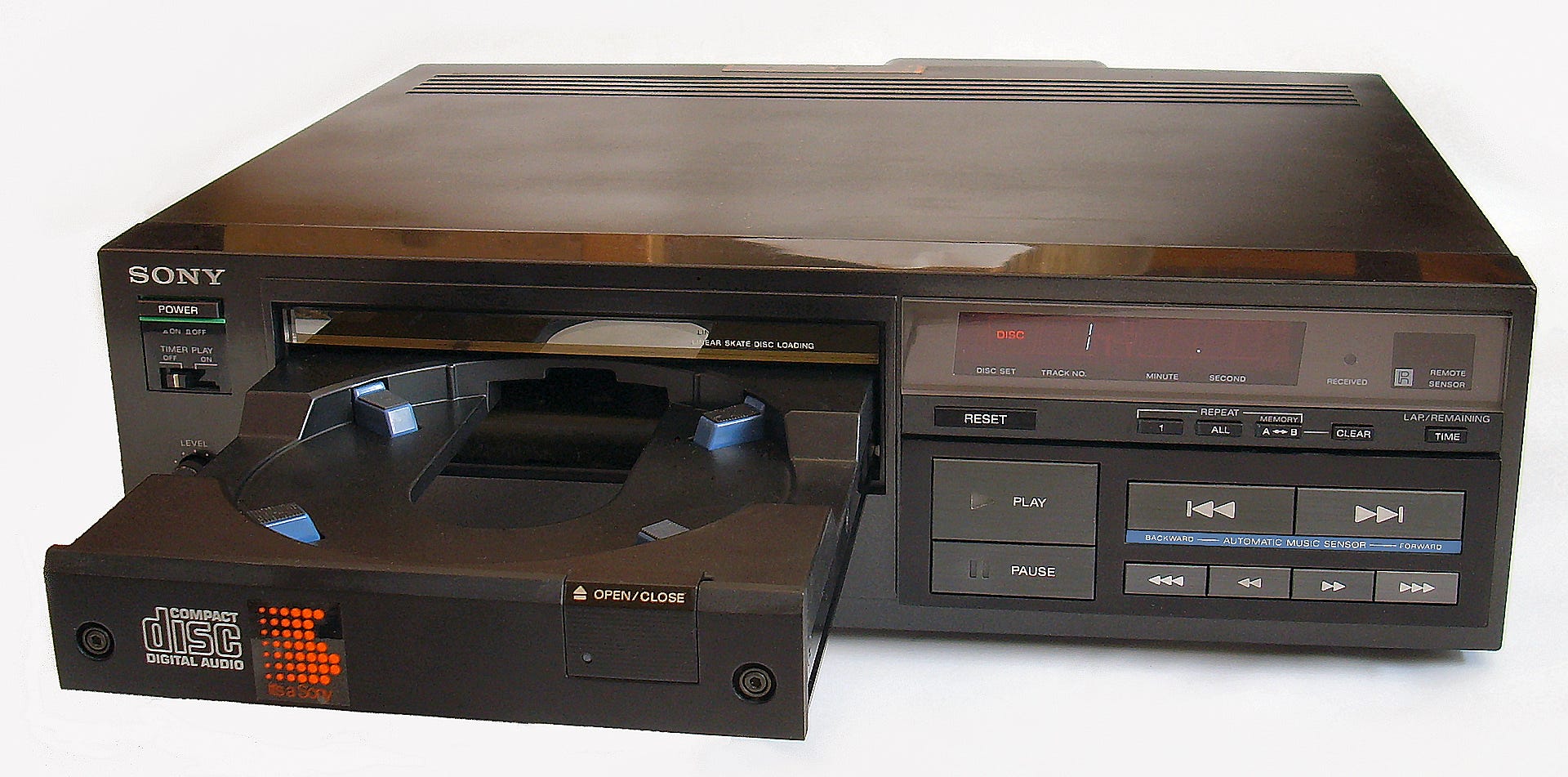
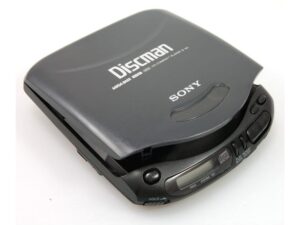
The first Sony portable CD player (which eventually would be the Discman in the years to come) came out sometime in 1984. Known as the CD Walkman in some parts of the world (read Japan), the Discman soon became a rage in the 90s.
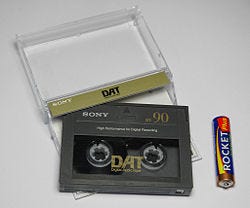
DAT
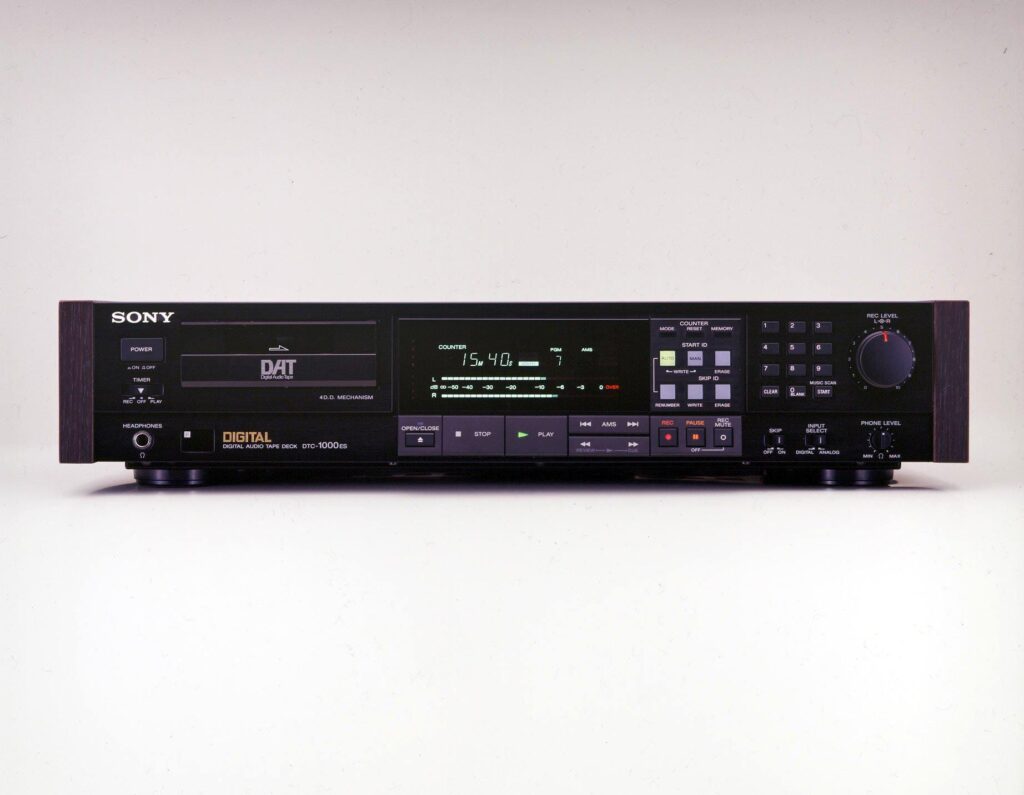
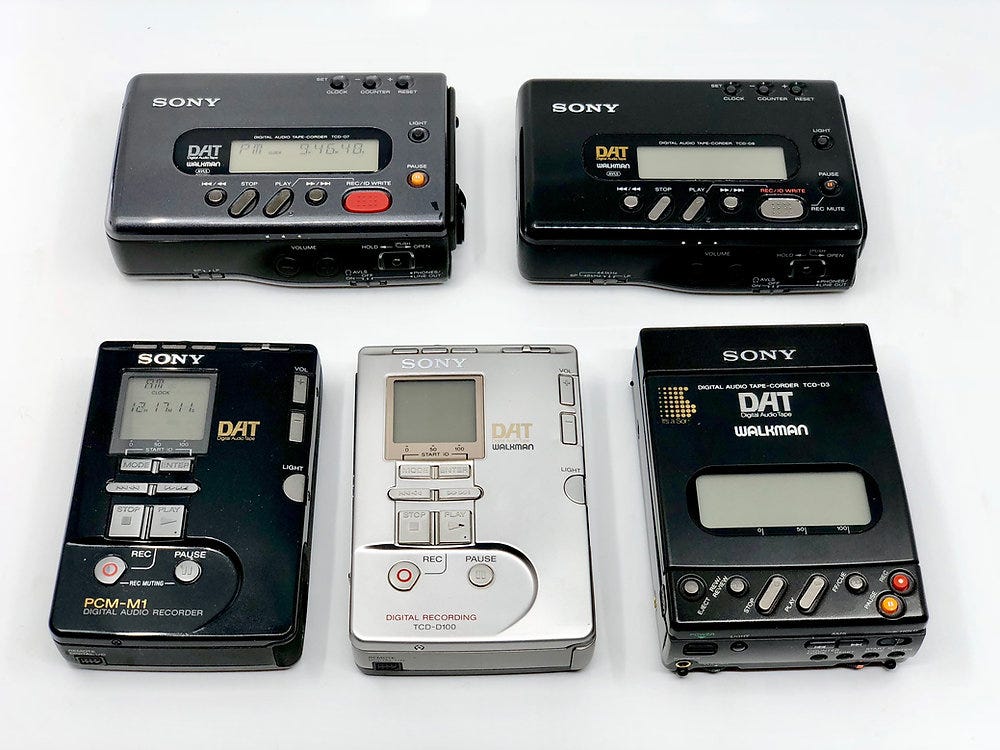
This technology was revolutionary for its portability, fidelity, and ability to record digitally without loss of quality. It became popular in professional audio production, especially for mastering and archiving, but faced resistance in the consumer market due to concerns over piracy and the eventual dominance of CD technology.
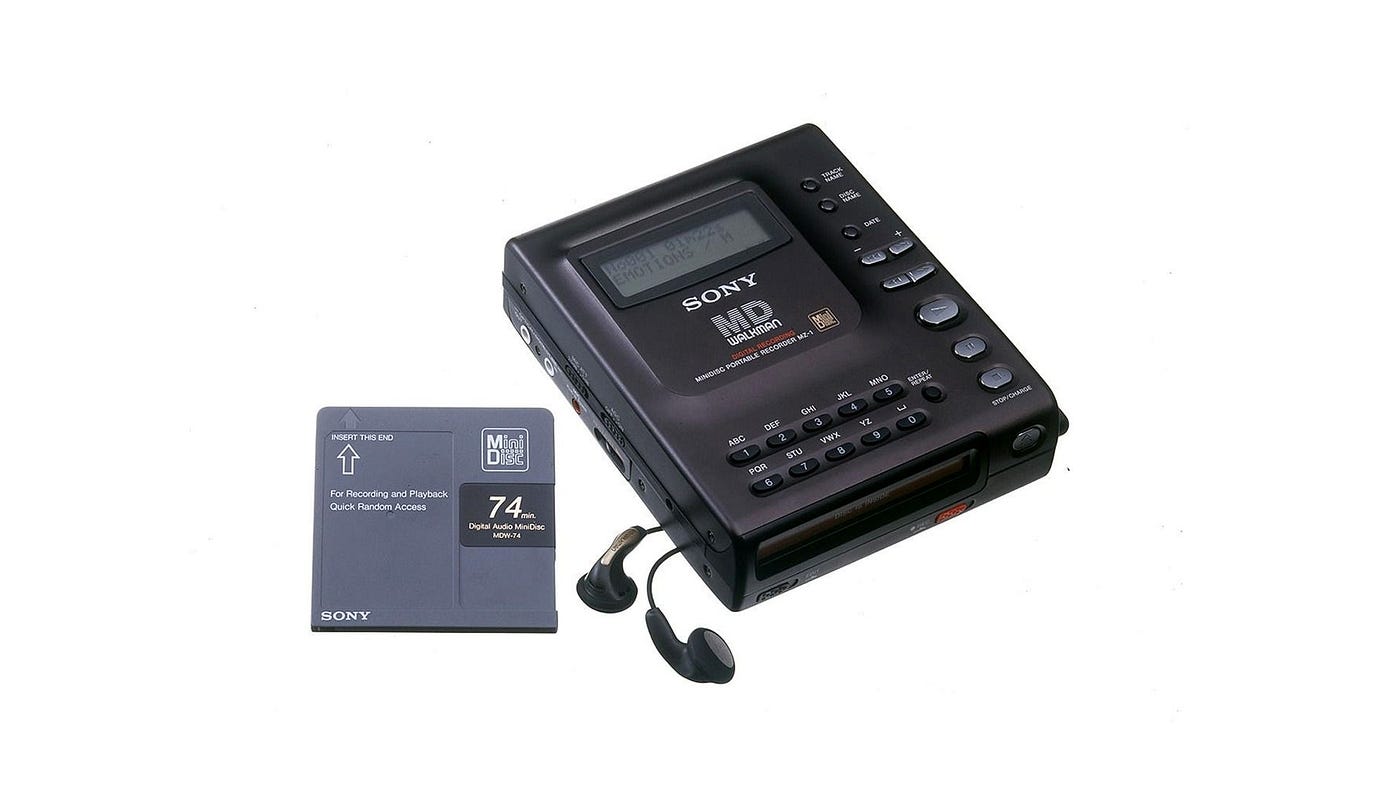
MiniDisc recorder and player
The Sony MZ-1, was released in November 1992 in Japan and later in December in Europe, North America, and other regions. The MiniDisc format was developed by Sony as a compact, durable, and rewritable audio medium using ATRAC (Adaptive Transform Acoustic Coding) compression technology to deliver high-quality digital sound. The MZ-1 featured innovative capabilities such as a 10-second shock-resistant memory, track editing functions, and playback modes like shuffle and repeat. It marked the beginning of Sony’s attempt to bridge the gap between cassettes and CDs, offering portability and recording functionality. Despite its technological advancements, the MiniDisc struggled to achieve widespread popularity outside Japan due to high costs and competition from CDs.
Digital guitar processor
The first digital guitar processor was the Boss DD-3 Digital Delay, introduced in 1986. While not exclusively a multi-effects unit, it was the first compact pedal to utilize digital signal processing (DSP) technology specifically for guitarists. The DD-3 offered precise delay effects with adjustable time, feedback, and level controls, marking a significant leap from analog delay pedals. It leveraged Roland/Boss’s custom integrated circuits, which condensed digital delay functions into a compact form factor, making digital effects accessible to the broader guitar-playing community.
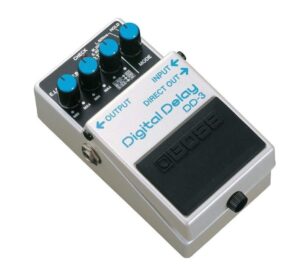
DD-3 Digital Delay
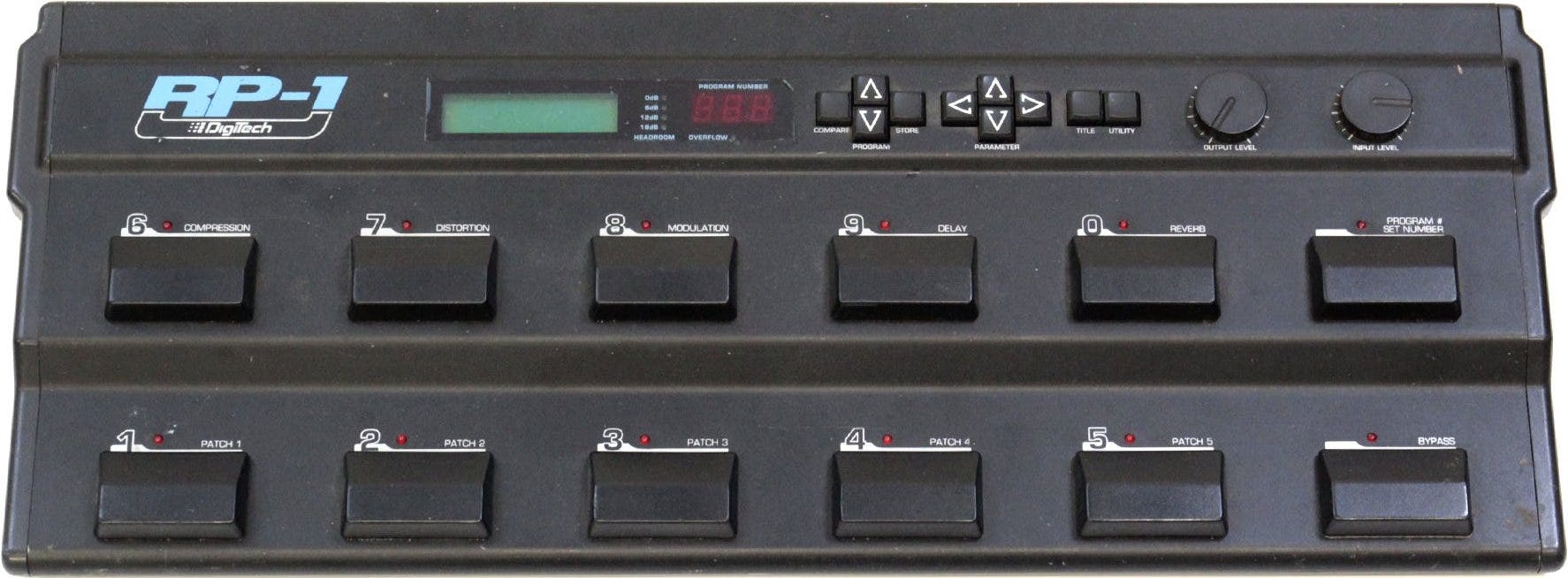
DigiTech RP1
The first digital guitar processor was the Boss DD-3 Digital Delay, introduced in 1986. While not exclusively a multi-effects unit, it was the first compact pedal to utilize digital signal processing (DSP) technology specifically for guitarists. The DD-3 offered precise delay effects with adjustable time, feedback, and level controls, marking a significant leap from analog delay pedals. It leveraged Roland/Boss’s custom integrated circuits, which condensed digital delay functions into a compact form factor, making digital effects accessible to the broader guitar-playing community.
Digital Audio Workstation (DAW)
Early DAWs like Pro Tools (1985) and Cubase (1989) allowed recording and editing audio digitally.
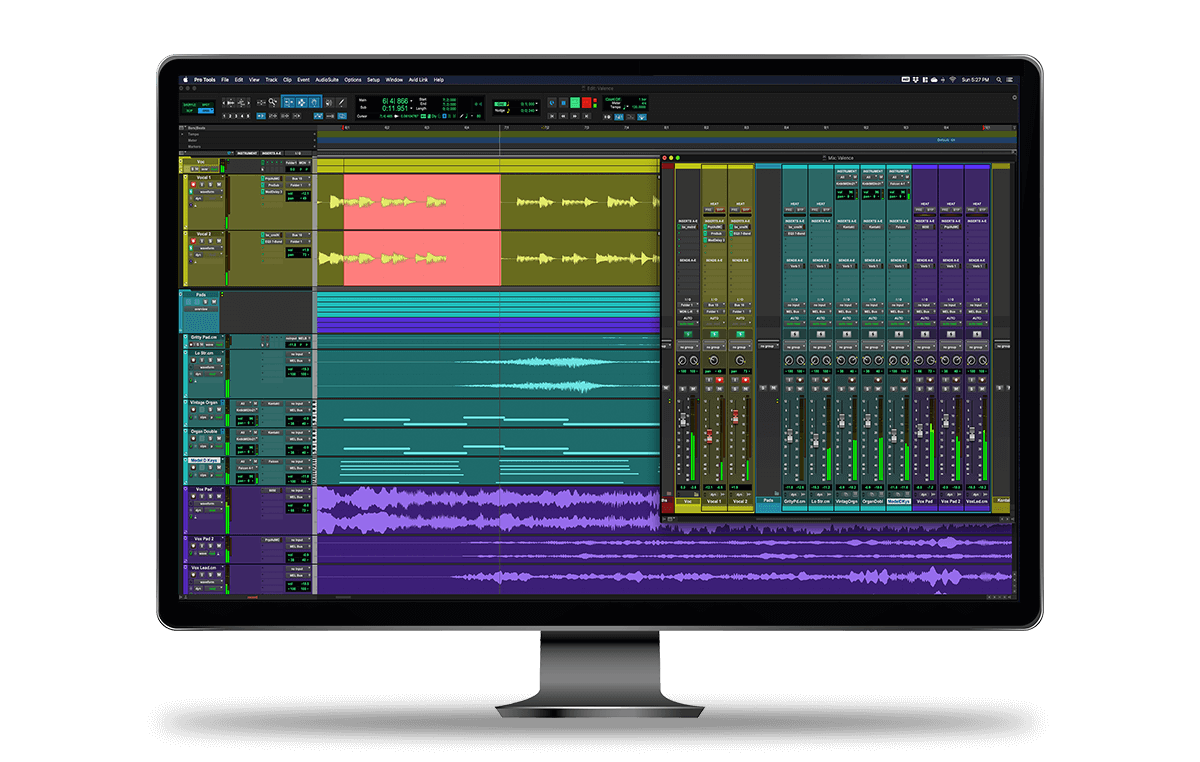
Pro Tools
By the late 1990s, DAWs became accessible to consumers, democratizing music production
Digital plugins for PC DAWs
The first digital plugin was introduced with Steinberg’s Cubase VST in 1996, which marked a major milestone in music production technology. Cubase VST implemented the Virtual Studio Technology (VST) plugin standard, allowing third-party developers to create software-based effects and instruments that could be seamlessly integrated into DAWs. This innovation enabled producers to use digital plugins for tasks like reverb, EQ, and virtual instruments directly within their DAW environment, eliminating the need for external hardware. The introduction of VST plugins revolutionized audio production by making it more accessible, flexible, and cost-effective, setting the foundation for modern digital music workflows.
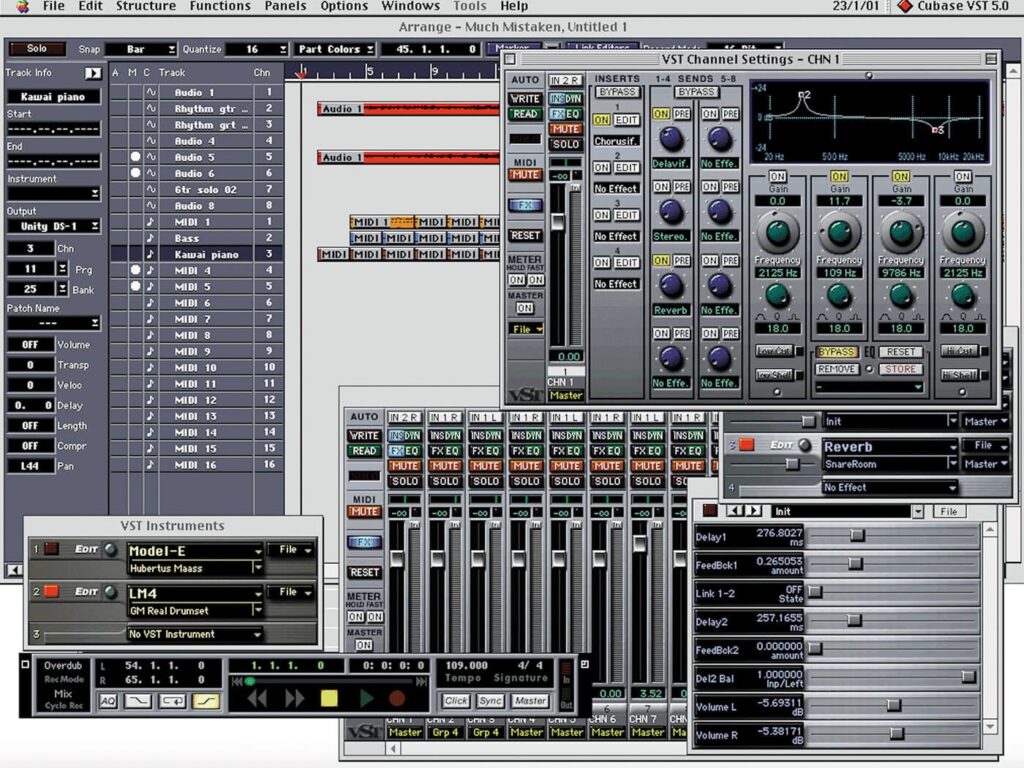
Early VST plugins
DAB (Digital Audio Broadcast)
The first digital radio receiver was developed as part of the Eureka-147 DAB Project, which began in the 1980s. Early prototype receivers were designed for evaluation purposes and were manufactured by companies like Alpine, Bosch, Grundig, Kenwood, Philips, and Sony. These initial units were complex systems primarily used in cars, with separate boxes fitted in the boot, and were introduced alongside pilot DAB broadcasts in 1995.
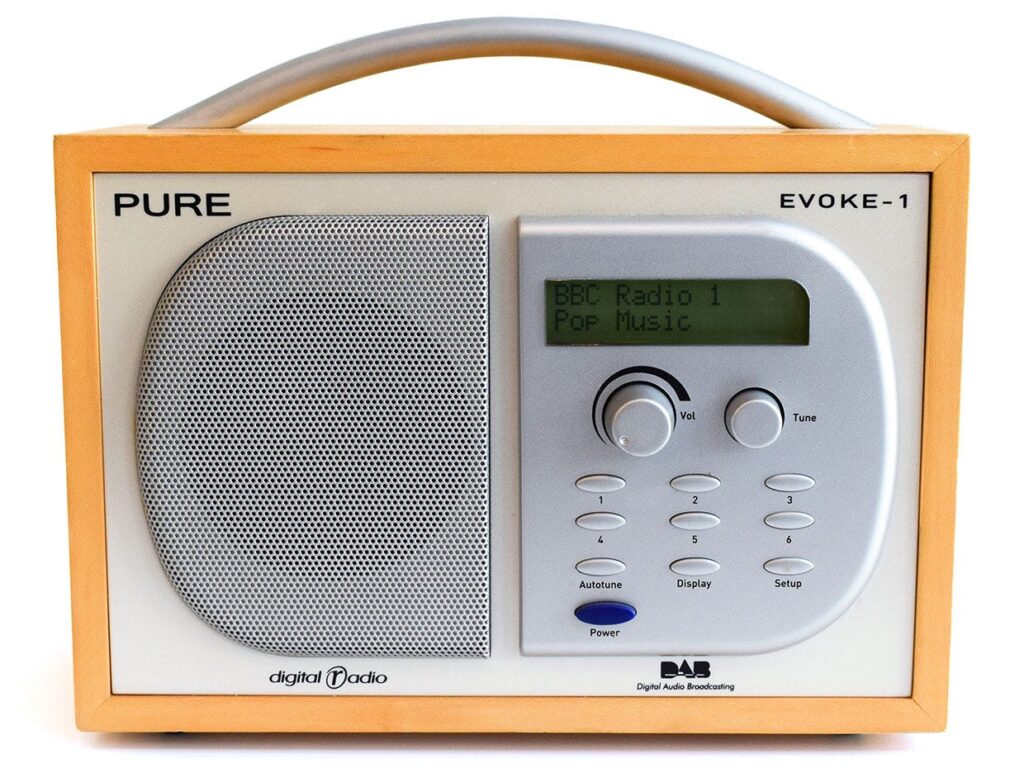
Pure Evoke
Consumer-grade DAB receivers began to emerge later, with prototype models shown in 1997. However, widespread adoption was delayed due to high costs and technical limitations. The first portable DAB radios became feasible in 2001, thanks to advancements like Texas Instruments’ DRE200 chip. Affordable home DAB receivers, such as the Pure Evoke, launched in 2002, marked the beginning of digital radio’s accessibility to consumers.
The first digital audio radio station was NRK Klassisk, launched by the Norwegian Broadcasting Corporation (NRK) on June 1, 1995. It was the world’s first Digital Audio Broadcasting (DAB) channel, developed as part of the Eureka-147 project, a European initiative to create a digital radio standard. This marked the beginning of DAB technology, which offered CD-quality sound, improved reception compared to FM, and additional features like text and data services.
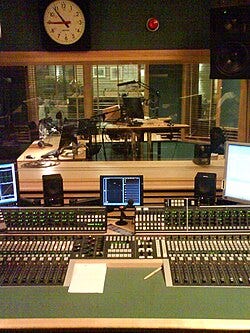
Following NRK Klassisk, the BBC and Swedish Radio (SR) launched their first DAB broadcasts in September 1995, establishing digital radio as a significant advancement in broadcasting.
MP3
The first portable MP3 player was launched in 1997 by SaeHan Information Systems, which sold its MPMan F10 player in South Korea in spring 1998. In mid-1998, the South Korean company licensed the players for North American distribution to Eiger Labs, which rebranded them as the EigerMan F10 and F2
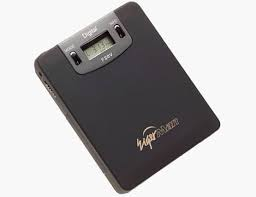
MPMan F10
Surround Sound
The integration of 5.1, 7.1, and spatial audio technologies created a more immersive and realistic soundscape in games, providing crucial directional cues for gameplay.
The first system to truly offer discrete digital 5.1 surround sound for cinema was Cinema Digital Sound (CDS), developed by Kodak and Optical Radiation Corporation. It was introduced in 1990 with the releases of “Days of Thunder” and “The Doors”. 1 CDS stored the digital audio information on a separate CD-ROM synchronized with the film print. This allowed for distinct, full-bandwidth channels for left, center, right, left surround, right surround, and a dedicated low-frequency effects (LFE) channel.
iPod
This little precious was introduced by Apple on October 23, 2001, and it went on sale on November 10, 2001. This initial model featured a 5 GB hard drive, capable of storing approximately 1,000 songs.
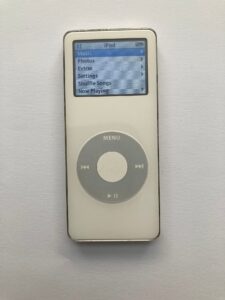
It was designed to be ultra-portable, weighing just 6.5 ounces, and included a mechanical scroll wheel for navigation
Cobranet
The first audio network emerged with the development of CobraNet in 1996, which is widely regarded as the first commercially successful implementation of audio-over-Ethernet technology.
CobraNet was developed in 1996 by Peak Audio, allowing uncompressed, multi-channel, low-latency digital audio to be transmitted over standard Ethernet networks. Initial demonstrations were of a 10 Mbit/s point-to-point system with limited channel capacity. It was designed for large-scale installations like stadiums, theme parks, and concert halls, offering significant advantages over analog systems by reducing signal degradation and cabling complexity. The first commercial use of CobraNet was at the Super Bowl XXXI halftime show in 1997, and it later became a standard for professional audio networking.
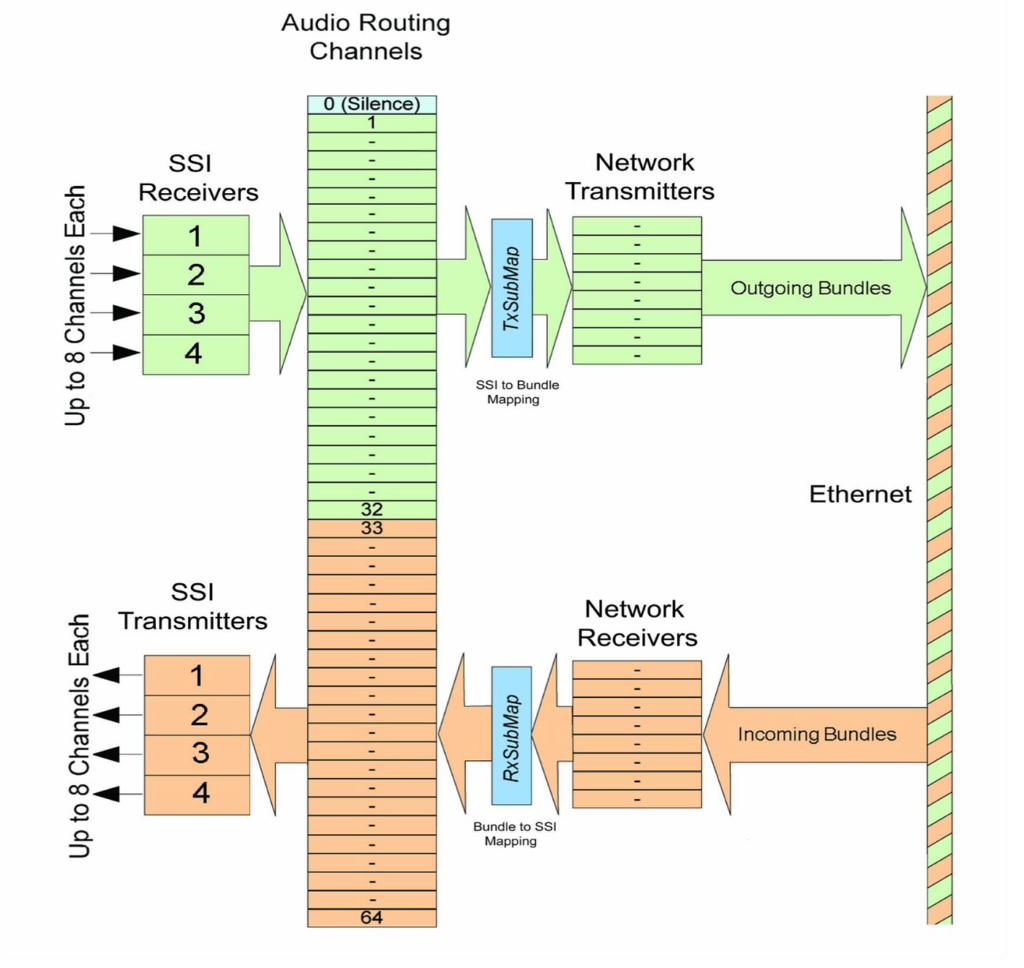
CobraNet paved the way for modern audio network protocols like Dante and AES67, which are widely used today.
Napster
The first audio streaming platform was Napster, launched in 1999 by Shawn Fanning and Sean Parker. Napster pioneered peer-to-peer file sharing, allowing users to access and share MP3 files over the internet. While Napster was primarily focused on downloading music rather than streaming in the modern sense, it introduced the concept of accessing vast libraries of music online, laying the groundwork for future streaming services.
In terms of subscription-based streaming platforms, Rhapsody, launched in 2001, was the first service to offer legal, subscription-based access to a library of music. It allowed users to stream music from independent labels initially and later expanded to include major labels.
IoT
The burgeoning intersection of the Internet of Things (IoT) and digital sound is birthing a new era of intelligent audio experiences, with inventions like smart speakers and soundbars seamlessly integrating voice control and streaming, while advancements in smart microphones and edge processing enable sophisticated audio capture and real-time analysis directly on connected devices.
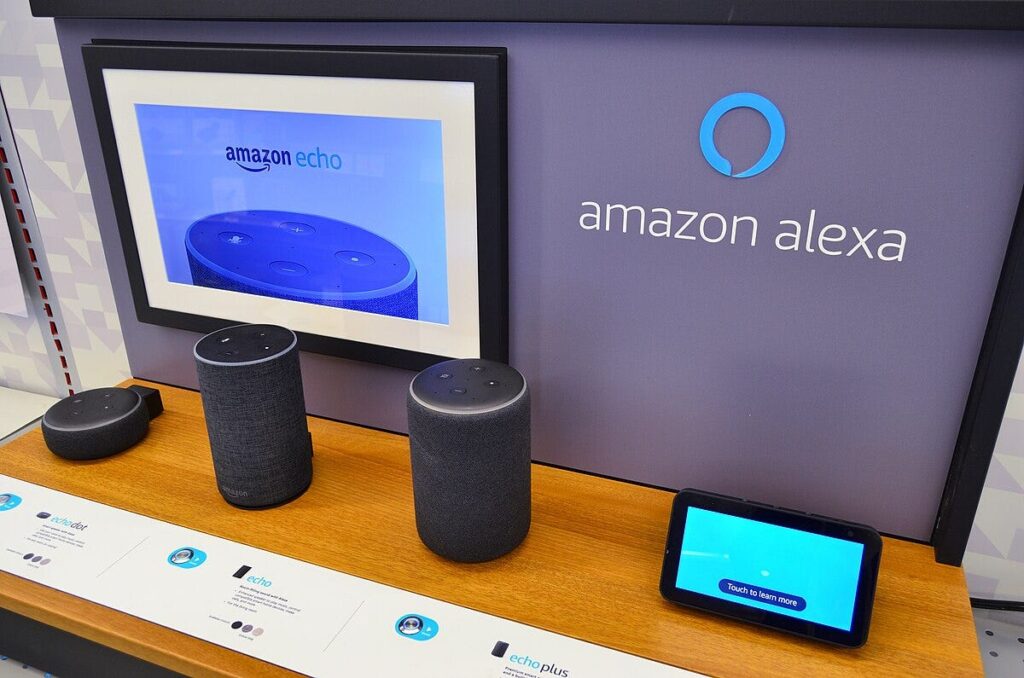
Furthermore, the application of spatial audio in smart environments and the use of acoustic monitoring in smart cities highlight the expanding utility of networked sound, paving the way for more interactive, immersive, and responsive auditory interactions within our increasingly connected world.
The Future of Digital Audio
The future of digital audio is set to be transformative, with advancements in immersive technologies like spatial and 3D audio creating lifelike soundscapes for music, gaming, and virtual reality. AI will play a key role in automating audio editing, mastering, restoration, and delivering personalized sound experiences tailored to individual preferences. High-resolution streaming will cater to audiophiles seeking superior sound quality, while interactive and adaptive audio will enhance gaming, fitness apps, and smart home systems. Wireless audio devices will improve in quality and sustainability, and emerging applications in healthcare and education will leverage digital audio for therapeutic and learning purposes. Overall, I think that digital audio will continue to redefine entertainment and expand into new areas of daily life.
Final thoughts
Like Alan V. Oppenheim said “Innovation Starts With Education”. The true marvel isn’t just the leap from the Shannon and Nyquist theories to a DAW, but the profound societal shift enabled by that transition. The initial pioneers who moved from 1-inch tape systems (like Soundstream) to formats like the CD, MiniDisc, MP3, and the iPod focused on fidelity and portability. This relentless development eventually led to the democratization of music creation, transforming every bedroom into a potential recording studio. Furthermore, modern streaming platforms like MySpace, Soundcloud, Spotify, and YouTube Music allow artists to reach a global audience effortlessly, circumventing traditional distribution channels. This same drive for global, reliable connectivity has revolutionized professional settings, making the setup for live music stages or broadcasting installations easier than ever. Audio Video over IP networks as transportation methods with protocols like Dante, Ravenna and NDI were fundamentally about achieving this democratization and connectivity. The overall journey—from the analog and a handful of XLR cables to a digital global, scalable in some cases wireless network—is a testament to how technology can dissolve physical barriers and make the experience of sound truly ubiquitous and personalized.
Looking ahead, the integration of Artificial Intelligence (AI) and spatial audio promises the next great leap, moving beyond mere reproduction and access to usher in an era of adaptive, intelligent, and hyper-realistic audio experiences, where sound is not just heard, but actively shaped and customized by software.
References
Related articles
Audio Pricing Models Pt. 2
Knowledge HUBBeacuse we belive that sharing the knowledge is the best way to innovateIf revenue, sales, and other quantitative indicators were the only things justifiable when constructing pricing, income wouldn’t be an issue. Specifically, considerations regarding...
Digital Audio: Digitization
Knowledge HUBBeacuse we belive that sharing the knowledge is the best way to innovateAfter reviewing the audio history and how sound is created, let’s start diving into digital system processing by first of all understanding how analog audio becomes digital from an...

Introduction to product roadmaps
Knowledge HUBBeacuse we belive that sharing the knowledge is the best way to innovateIn this article, I would like to give you a short introduction to the roadmaps – one of the basic product management tools. How to build and use them? Let’s reviewWhat is RoadmapIt is...
Audio Pricing Models – Part 1
Knowledge HUBBeacuse we belive that sharing the knowledge is the best way to innovateRegardless of the product and its features being offered, product teams have a lot to consider when choosing a pricing model. I believe the primary consideration that any product...
Sound from the beginning
Knowledge HUBBeacuse we belive that sharing the knowledge is the best way to innovateIf you new to physics of sound, it will help you to understand the basic concepts.Physics of SoundLet’s start from the beginning. What is the sound? What do you remember from the...
Would like to receive our product newsletter?
