
Knowledge HUB
Beacuse we belive that sharing the knowledge is the best way to innovate
Assistive & Generative AI Tools: Real-World Examples
The more we discover and discuss artificial intelligence in the creative process, the less we can default to being scared about its implications. Remember, anything new tends to be intimidating until someone dives deeper into the topic. So let’s begin to grasp the power and limitations of this vast technological period we are faced with.
Introduction
It’s no secret that the music industry has its reservations when it comes to the topic of artificial intelligence. In any given conversation, just mentioning the term can make creators feel uncomfortable. This fear exists primarily through the lens of technology replacing every step of the creative process that humans have worked on for hundreds of years. Artists, songwriters and even product designers are scratching their heads to understand where and how artificial intelligence fits in the world of creativity. While it may seem intimidating that technology can complete large tasks at incredible speeds, they are only as good as the people who are using them. Fortunately, there are many tools now that open exciting and fun opportunities for creators to use.
As we dive into this vast topic, it is imperative to understand what this technology is and isn’t capable of achieving. And furthermore, knowing why an automated process should be used versus a more traditionally manual one. The more we discover and discuss artificial intelligence in the creative process, the less we can default to being scared about its implications. Remember, anything new tends to be intimidating until someone dives deeper into the topic. So let’s begin to grasp the power and limitations of this vast technological period we are faced with.
The Assistive vs. Generative: Why use One over Another?
Artificial Intelligence covers a vast array of subcategories. For this discussion, we will be looking at both assistive and generative categories. Each has their own pros and cons, and use cases within the music creation process. Especially considering how fast-paced these technologies are evolving, certain principles could change even while writing this article; something to keep in mind as we dive into developing tools.
Beginning with assistive AI, this is centered around the premise of a tool that can complete operational and or manual tasks. Certain tasks like organizing audio files in a DAW session or renaming tracks to reflect what the audio file contains would fill this category. Especially in the context of managing large music projects (i.e. multi-track recording sessions,) a lot of time can be reduced with assistive tools.
Real world examples of this already exist in many popular softwares, like Universal Audio’s Luna recording software. The Instrument Detection feature will analyze all of your audio files, and will categorize them by instruments automatically. Furthermore, the feature will color code and rename the audio tracks according to their detected instrument.
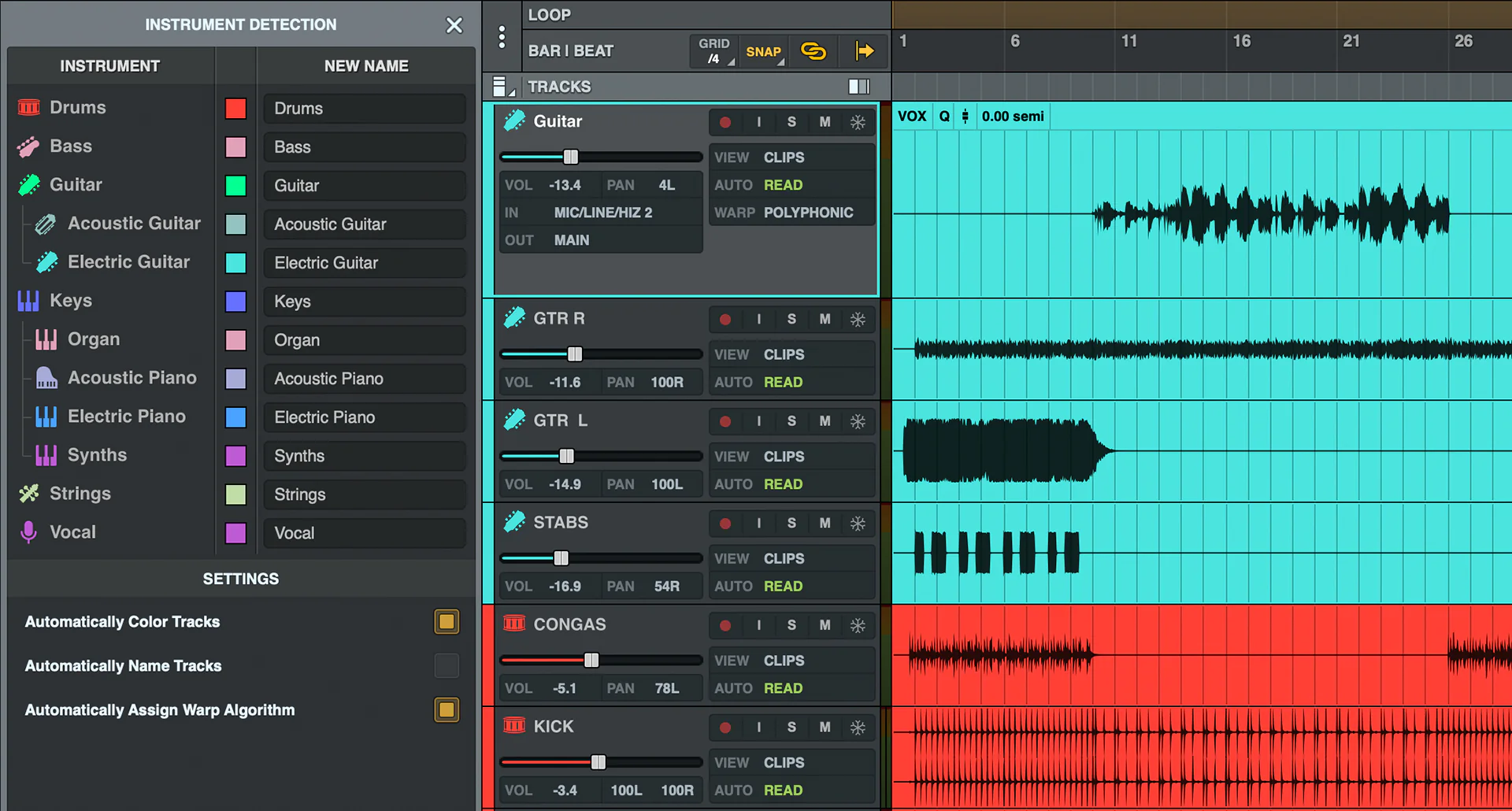
Fig 1. Universal Audio’s Luna Recording Software. Instrument Detection can organize and label audio files without manual inputs.
Generative Tools
This is where AI offerings can become even more intriguing, from the perspective of creating material. Generative AI focuses on the concept of creating a new and original output, based on human input. The output in most cases is determined from very large datasets that inform the decisions being made. For example, I could tell a piece of software to create a piano chord progression that’s in a particular key and has specific sound characteristics (happy, sad, etc). Based on the actual data that the software is trained on, software can create a ready-to-use piece of audio. In certain cases, a user can then edit the output with other forms of prompts.
Now generative can be seen in various ways in the music creation space. With a more extreme/fully generative option, Suno is a full generative music creation platform that is capable of creating completed works with simple text-based prompts. As a user, one can prompt the software to create “a country song in the key of G major, talking about a red pickup truck,” and will do it, with high accuracy.
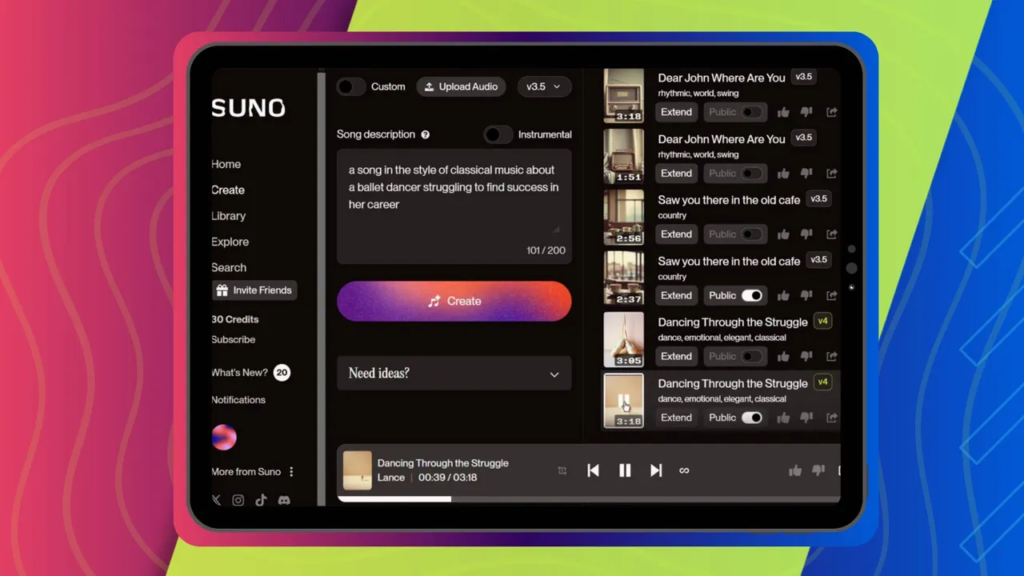
Fig. 2 Suno utilizing a text prompt system to create fully created songs.
Tools like Suno offer more than just full song creation, but the premise of tools like this is that they are centered around prompt engineering and the use of very large data sets to create an output. So while Suno has incredible capabilities to create full songs and motifs, it does so by analyzing its data sets (typically using existing licensed music in training models). And remember: just because a tool can fully create a desired output, does not mean that it is accurate. For any creator using any form of generative tools, they should use their discernment to determine if the output aligns with their artistic intentions.
Other generative offerings can come in the form of DAW plugins. Looking at Saunceware Audio’s Spawn, this can generate bass, chords and melody lines that a user can import into their recording projects. Using pre-determined adjectives and descriptions, a user can choose the kind of sound they want, and the plugin will generate parts with full creative flexibility. Even further, the plugin has a UI that can add or edit the created midi files, providing even further flexibility to craft the desired sound. Once the sound is done, it can be exported as audio and midi.
One important thing to mention, is that the plugin is trained with ethically licensed patterns made from producers all around the world. This gives creators a chance to receive new opportunities for revenue while giving other creators flexibility to make music with a new method. Whenever using new generative tools, like Spawn, one should always make sure how the software is both created and sourced. Just like when someone uses Chat GPT with prompts, using discernment is crucial. Just because something can create an output, doesn’t mean that it is correct: always use your judgment!
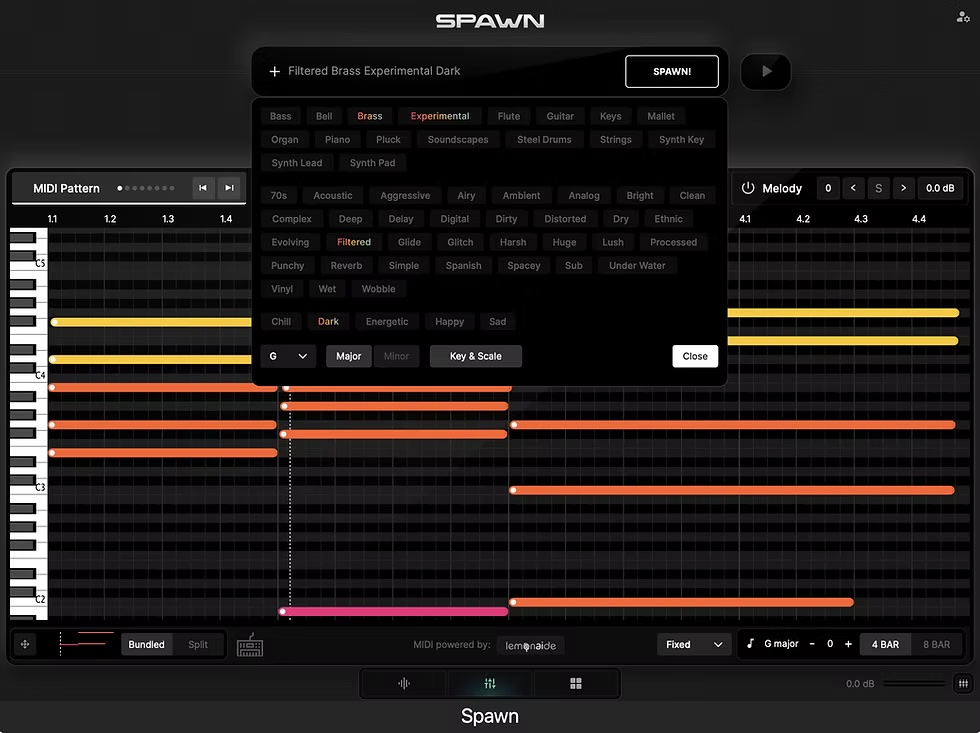
Fig. 3 Spawn’s UI, showcasing the adjective & descriptions for its prompt generator.
In the end, we control the narrative
Whether you’re already making music in a DAW with other creative tools, or you are just learning how to make music, there are a lot of exciting products that utilize revolutionary artificial intelligence features. Fully generative software can make completed pieces in a matter of seconds with a simple prompt, while assistive tools can bridge the gap for creators who need help with creating sounds that otherwise would have no resource to do so. And just like how the synthesizer or even sample machines like the 808 changed the way creators completed tasks, AI has the potential to let new expressive ideas into the forefront of music creation.
One of the biggest talking points for AI continues to be surrounding the notion that music creation is in jeopardy of being devalued or even misused because of automated processes. But at the same time, not all offerings in the market are designed or intended for that purpose. A company like Universal Audio, who are known for creating engaging and revolutionary tools, are making assistive technology to manage more operational tasks like file organization and audio detection. In theory, those tasks can be accomplished much faster, allowing creators to spend more time on their art and not on tedious tasks as much. Suno, while having the ability to be categorized as assistive technology as well, has theoretical potential to disrupt existing limitations of the creative process by generating fully finished pieces of music.
But even then, everything comes down to the following: as creators of art, we must use our judgment and discernment to determine how we use any tool. In the same way Chat GPT or Claude is utilized, the output has to be checked by the user to ensure accuracy and authenticity are being preserved. Just because technology can complete a task, does not mean it is correct! That is where we as humans come in, to create music that is authentic in the eyes (and ears) of the creator.
Related articles
Audio Pricing Models Pt. 2
Knowledge HUBBeacuse we belive that sharing the knowledge is the best way to innovateIf revenue, sales, and other quantitative indicators were the only things justifiable when constructing pricing, income wouldn’t be an issue. Specifically, considerations regarding...
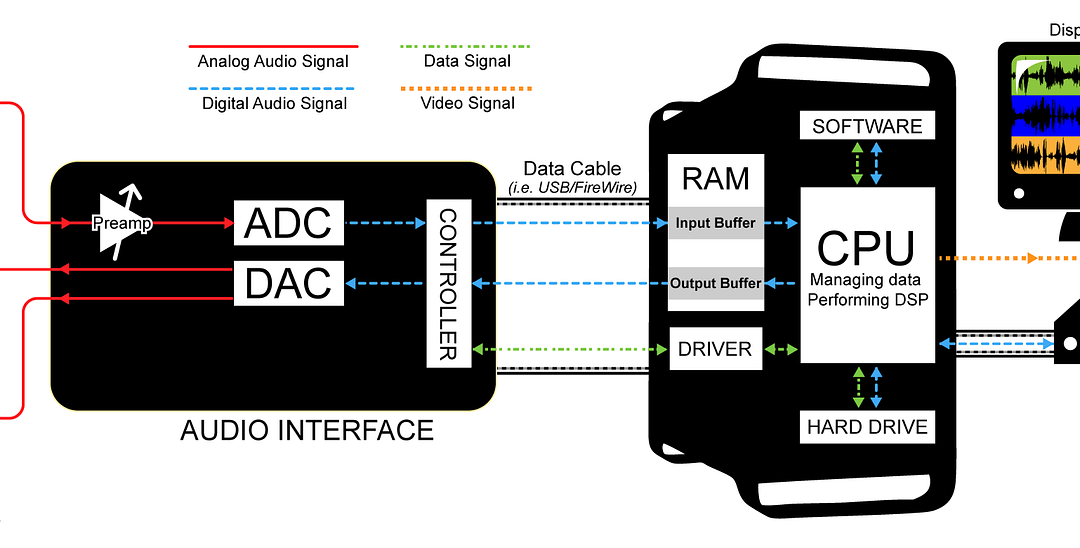
Digital Audio: Digitization
Knowledge HUBBeacuse we belive that sharing the knowledge is the best way to innovateAfter reviewing the audio history and how sound is created, let’s start diving into digital system processing by first of all understanding how analog audio becomes digital from an...
Introduction to product roadmaps
Knowledge HUBBeacuse we belive that sharing the knowledge is the best way to innovateIn this article, I would like to give you a short introduction to the roadmaps – one of the basic product management tools. How to build and use them? Let’s reviewWhat is RoadmapIt is...

Audio Pricing Models – Part 1
Knowledge HUBBeacuse we belive that sharing the knowledge is the best way to innovateRegardless of the product and its features being offered, product teams have a lot to consider when choosing a pricing model. I believe the primary consideration that any product...

Sound from the beginning
Knowledge HUBBeacuse we belive that sharing the knowledge is the best way to innovateIf you new to physics of sound, it will help you to understand the basic concepts.Physics of SoundLet’s start from the beginning. What is the sound? What do you remember from the...
Would like to receive our product newsletter?
