
Knowledge HUB
Beacuse we belive that sharing the knowledge is the best way to innovate
Sound from the beginning
If you new to physics of sound, it will help you to understand the basic concepts.
Physics of Sound
Let’s start from the beginning. What is the sound? What do you remember from the Physics lessons?
Sound is a form of energy that travels through a medium, such as air, water, or solids, in the form of mechanical waves. These waves are characterized by variations in pressure, particle displacement, and velocity within the medium. Sound is generated by vibrations, which can come from various sources like musical instruments, voices, or even machinery.
The source of sound is typically a vibrating object, such as a speaker diaphragm or a string on an instrument. These vibrations disturb surrounding particles, creating the wave motion that carries sound energy outward.

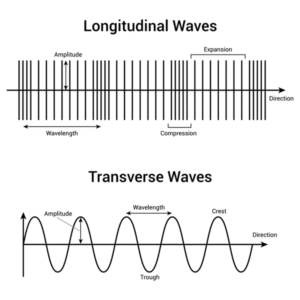
Sound waves are longitudinal waves, meaning the particles of the medium oscillate parallel to the direction of wave propagation. They consist of alternating regions:
- Compressions: Areas of high pressure where particles are close together
- Rarefactions: Areas of low pressure where particles are spread apart
Longitudinal Waves: In longitudinal waves, the particle displacement is parallel to the direction of wave propagation. These waves involve compressions and rarefactions as they travel through the medium, making them also known as compression waves. They can propagate through solids, liquids, and gases. The speed of longitudinal waves depends on the medium’s density and elastic properties.
Transverse Waves: In transverse waves, the particle displacement is perpendicular to the direction of wave propagation. These waves involve oscillations that move up and down or side to side relative to the wave direction. Transverse waves primarily propagate through solids and are also known as shear waves. They do not propagate through fluids because fluids cannot support shear stress.
Key Characteristics of Sound Waves
Let’s dive into numbers and how we can measure the things

Frequency (pitch):
- The number of oscillations per second, measured in Hertz (Hz)
- Determines the pitch of the sound (higher frequency = higher pitch)
Time Period:
- Frequency f(Hz) and period T (sec) are inversely related quantities in wave mechanics. This means that as the frequency of a wave increases, its period decreases, and vice versa. The relationship can be expressed mathematically as:
f = 1 / T
Amplitude (loudness/volume):
- The magnitude of pressure variations in the wave.
- Determines the loudness (higher amplitude = louder sound).
Wavelength:
- The distance between successive compressions or rarefactions.
- Related to frequency and speed by λ=v/f, where:
v is the speed of sound
f is frequency
λ is wavelength
Use calculator for math simplification
Speed:
- Depends on the properties of the medium (density and elasticity).
- Faster in solids, slower in liquids, and slowest in gases.
Perception of Sound
Sound perception is a fascinating blend of physics and human biology. While sound waves are physical phenomena, our ears and brain interpret them as sensations like loudness and pitch. To quantify sound in a way that matches human perception, we use levels and decibels (dB).
Levels describe the magnitude of sound, either as:
- Sound Pressure Level (SPL): The physical pressure variations in air caused by sound waves.
- Signal Level: The amplitude of an electrical signal representing sound in audio equipment.
What Are Decibels (dB)?
The decibel (dB) is a logarithmic unit used to express the ratio between two quantities, such as sound pressure or intensity. It reflects how humans perceive changes in loudness, which are non-linear.
Formula for Decibels
For sound pressure levels:
L = 20 x log (P / Pref)
Where:
- L : Sound pressure level (in dB SPL)
- P: Measured sound pressure (in pascals, Pa)
- Pref: Reference sound pressure (20 μPa, threshold of human hearing)
How Humans Perceive Loudness
Humans perceive loudness logarithmically rather than linearly:
- Doubling the sound intensity or “3dB Rule”. A 3 dB increase sound pressure level (SPL) represents a doubling of electrical power or sound intensity (e.g., 50W to 100W) and is the minimum amount needed for the average ear to notice a difference.
- +6 dB: Twice the voltage/amplitude.
- A tenfold increase corresponds to “Twice as Loud”, generally, a 10 dB increase is required to make a sound appear twice as loud to the human ear.
This means small changes in decibel values can represent significant differences in perceived loudness.
Key Decibel Scales
- Sound Pressure Level (SPL):
- Used to measure physical sounds in air.
- Reference level: 0 dB SPL is the threshold of human hearing in air, corresponding to a root-mean-square (RMS) sound pressure of 0.00002Pa (2 micropascals). It is not “zero sound” (absence of sound) but the minimum audible threshold.
Signal Level (dBu/dBV):
- Used for audio equipment to measure electrical signals.
- Referenced levels: 0 dBu=0.775 V RMS, 0 dBV=1.0 V RMS
Perceived Loudness:
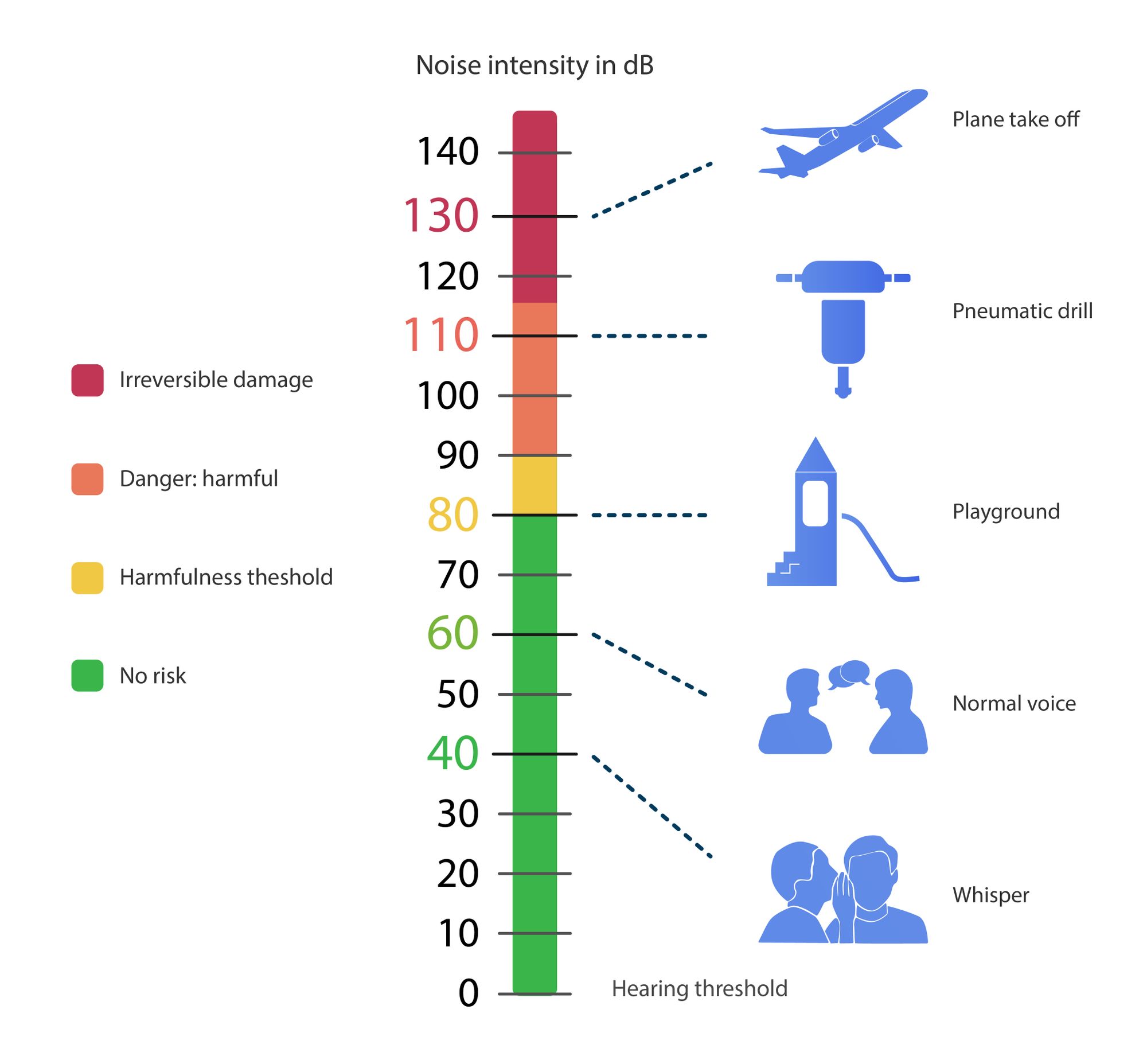
- Quiet sounds like whispers (~30 dB SPL) vs. loud sounds like rock concerts (~110 dB SPL) span a massive range of intensities.
Practical Examples
- Quiet Room: ~30 dB SPL
- Normal Conversation: ~60 dB SPL
- Rock Concert: ~110 dB SPL
- Jet Engine at Close Range: ~140 dB SPL (threshold of pain)
 Why Use Decibels?
The logarithmic scale simplifies handling large differences in sound intensity or signal power. For example:
- A whisper (~30 dB SPL) vs. a jet engine (~140 dB SPL) spans a huge range that would be cumbersome to express linearly.
Measurement Equipment:
To measure sound levels sound engineers are using Sound level meter
Fletcher — Munson curves
From a psychological perspective, sound is the auditory sensation evoked by these pressure waves when they are perceived by the human brain. Humans can hear sounds within a specific frequency range, typically between 20 Hz and 20 kHz, known as the audio frequency range.
More info about Fletcher-Munson curves
Frequency Range Relation to Musical Notes
Musical notes correspond to specific frequencies. Below is a summary of the frequency ranges for notes across different octaves in the equal-tempered scale, using A4 = 440 Hz as the reference pitch standard. This standardization, adopted by ISO, provides a consistent reference for tuning the entire chromatic scale, even as some musicians prefer alternative tunings for unique sonic qualities or tradition.

https://www.iso.org/standard/3601.html
There are other ways adopted historically and regional variations exist (like A432 Hz, A442 Hz, or older, lower pitches).
Related articles

Audio Pricing Models Pt. 2
Knowledge HUBBeacuse we belive that sharing the knowledge is the best way to innovateIf revenue, sales, and other quantitative indicators were the only things justifiable when constructing pricing, income wouldn’t be an issue. Specifically, considerations regarding...
Digital Audio: Digitization
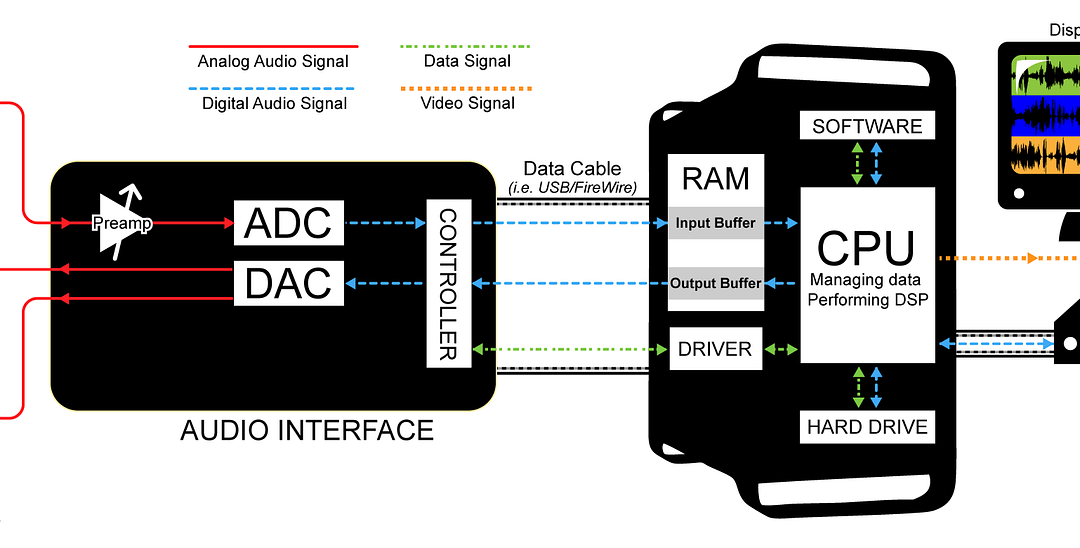
Knowledge HUBBeacuse we belive that sharing the knowledge is the best way to innovateAfter reviewing the audio history and how sound is created, let’s start diving into digital system processing by first of all understanding how analog audio becomes digital from an...

Introduction to product roadmaps
Knowledge HUBBeacuse we belive that sharing the knowledge is the best way to innovateIn this article, I would like to give you a short introduction to the roadmaps – one of the basic product management tools. How to build and use them? Let’s reviewWhat is RoadmapIt is...

Audio Pricing Models – Part 1
Knowledge HUBBeacuse we belive that sharing the knowledge is the best way to innovateRegardless of the product and its features being offered, product teams have a lot to consider when choosing a pricing model. I believe the primary consideration that any product...
North Star Metric – how to align your product teams
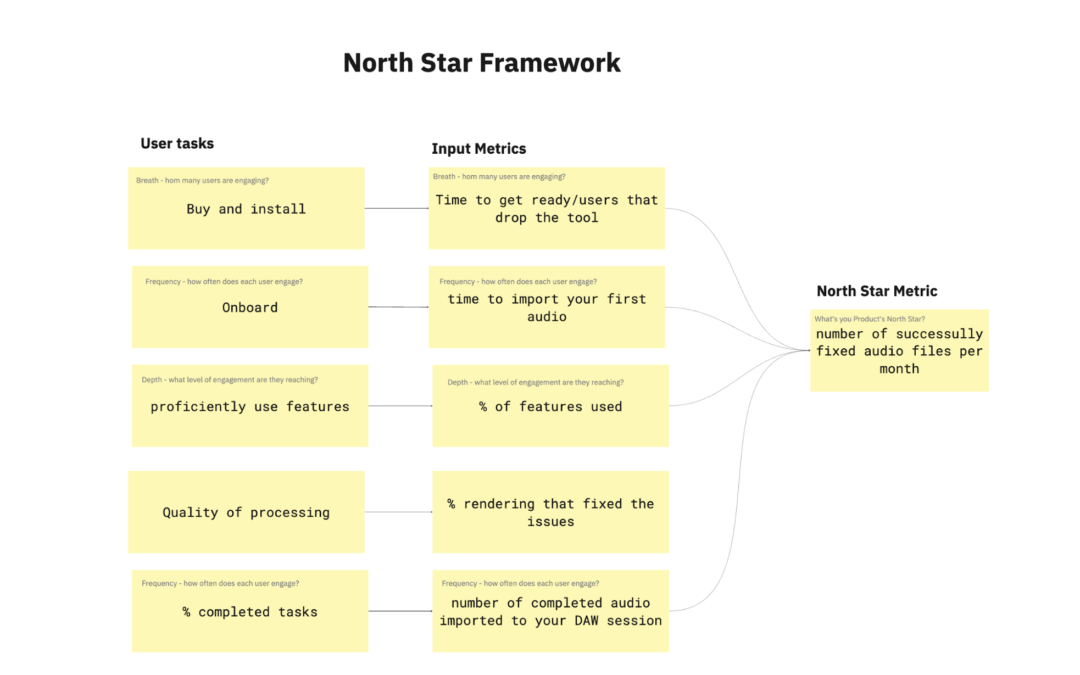
Knowledge HUBBeacuse we belive that sharing the knowledge is the best way to innovateIn this article I explain what the North Star metric is and how to create one for your audio product so it can help align teams around the customer value and business growth. Why...
Would like to receive our product newsletter?

wow your article is simply a masterpiece, i like that, keep it up and will be checking for new update. do you post often? you can check the biggest webdesign freelancer in platform in germany called https://webdesignfreelancerfrankfurt.de/ Thank you for your wonderful post